


How to Invest in Cobalt: A UK Investor's Checklist
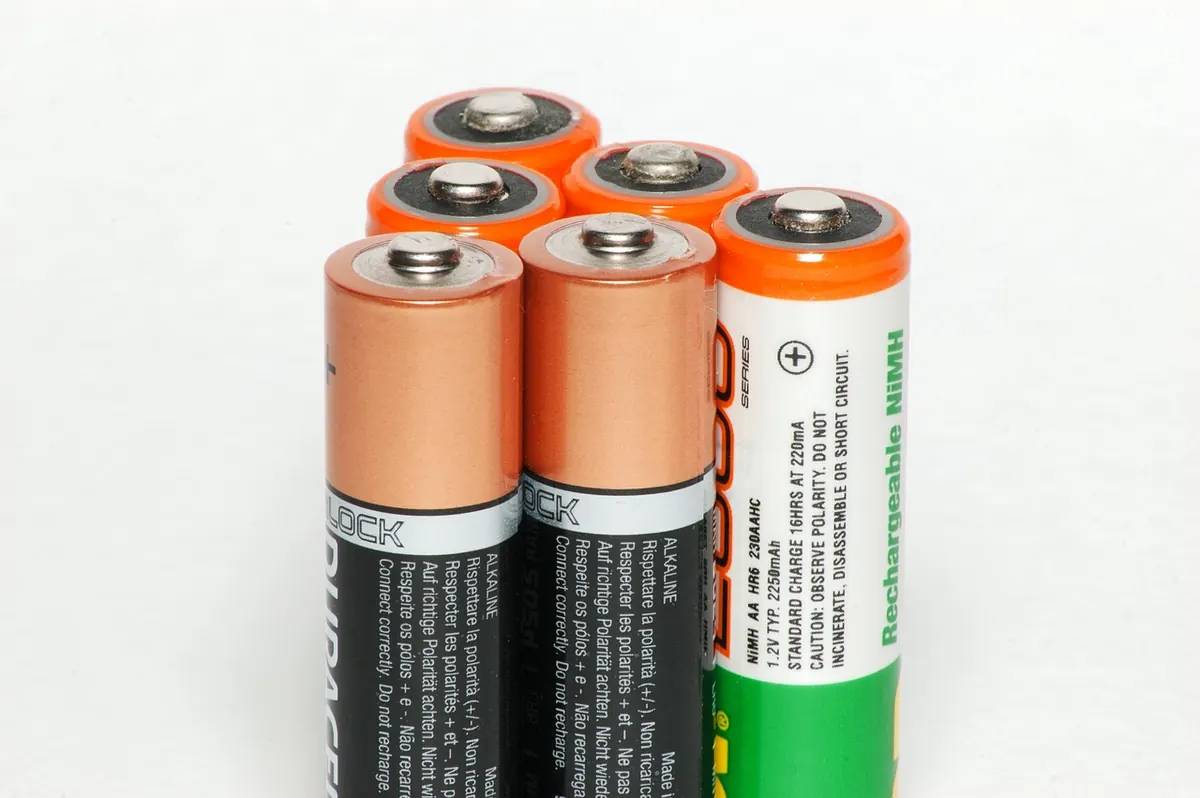
Cobalt sits inside many of the products we rely on: rechargeable batteries, superalloys for jet engines, magnets and catalysts. For UK investors, it looks like a straightforward way to back the energy transition. It is not. The market is concentrated, opaque and volatile. Many “cobalt” investments are not pure cobalt at all. This checklist is designed to help you sort real exposure from marketing.
Know what you are buying
Start with the annual report, not the investor presentation. Cobalt is usually a by-product of copper or nickel mining. That means the economics of a project are often driven by the main metal, not cobalt. A company may report “cobalt production”, but if cobalt is a small share of revenue, you are buying a copper or nickel miner with a side order of cobalt. That is not necessarily bad. Just be honest about it.
Ask three questions:
- What percentage of revenue or gross profit came from cobalt last year?
- Is cobalt central to the company’s growth plan?
- If cobalt prices halved, would the business still work?
If you cannot answer those from the accounts, treat the investment as a diversified mining bet rather than a cobalt play.
Map the routes to exposure
UK investors have several practical options. Each has a different risk profile.
- Diversified miners listed in London. They produce cobalt as a by-product, often from the Democratic Republic of Congo (DRC) or other jurisdictions. Lower risk than juniors, but cobalt is rarely the main driver.
- Cobalt-focused explorers and developers. Often on AIM. High risk, high potential reward. Many never reach production. You are backing a team, a deposit and a financing market.
- Royalty and streaming companies. They provide upfront cash in exchange for a share of future production. Exposure without operating risk, but you still carry commodity and counterparty risk.
- Funds and ETFs. Some battery-metal or mining funds hold cobalt equities. A few physical cobalt ETFs exist in other markets, but check the structure, fees and what the fund actually holds. An equity ETF will not track the cobalt price.
- Physical cobalt. Generally impractical for UK retail investors. Cobalt metal trades in lots, storage is specialist, and there is no easy high-street route. If a provider promises easy physical exposure, read the small print very carefully.
The UK investor’s checklist
Work through this before you trade.
- Choose the right account. A stocks and shares ISA or SIPP can shelter dividends and capital gains from UK tax. A general dealing account is fine too, but you may owe capital gains tax. Tax rules change; take regulated advice if your situation is complex.
- Check the listing and liquidity. Main market shares are usually easier to trade than AIM stocks. Look at the bid-offer spread. A wide spread is a cost you pay twice.
- Read the latest annual report. Look at cash, debt, dilution history and related-party transactions. For explorers, check how many years of funding they have.
- Assess the jurisdiction. The DRC dominates global cobalt supply. That brings political risk, tax changes, export restrictions and infrastructure problems. Other sources include Indonesia, Australia, Canada and Zambia. No jurisdiction is risk-free.
- Understand the cobalt market. Supply is often a by-product, so producers keep mining even when cobalt prices fall. Demand comes mainly from batteries, but chemistry changes. LFP batteries use no cobalt. Sodium-ion is emerging. Recycling is growing. Cobalt is not the only game in town.
- Scrutinise ESG. Cobalt has a well-documented association with child labour and dangerous artisanal mining, particularly in the DRC. Companies with credible traceability, audits and community programmes reduce reputational and regulatory risk. Greenwash is common. Look for specifics, not slogans.
- Value it sensibly. There is no single metric. For producers, look at EV/EBITDA, free cash flow and reserves. For developers, net asset value and funding risk matter more. Compare against peers, but remember that cobalt exposure varies wildly.
- Size the position. Cobalt is volatile and the companies are often small. Many investors treat it as a satellite holding, not a core one. A single stock can fall by more than half and still be a rational part of a diversified portfolio. Do not bet the mortgage.
- Plan your exit. Decide in advance what would make you sell: a change in battery chemistry, a funding crisis, a governance failure, or simply a better opportunity elsewhere.
The risks that catch people out
The biggest mistake is assuming that rising cobalt demand means rising cobalt prices and rising share prices. That chain has broken many times. Cobalt prices can fall even when demand grows, because supply can surge. A junior miner can own a world-class deposit and still go bust because it cannot fund construction. An ETF can hold a basket of companies that have little to do with cobalt.
Currency risk matters too. Many mining companies report in US dollars, earn in US dollars and pay costs in local currencies. Your ISA is denominated in pounds. A weak pound can help; a strong pound can hurt. That is before you consider the political risk of a sudden export ban or royalty increase.
And then there is dilution. Explorers issue shares to survive. If you own 1% of a company today, you may own less tomorrow after a placing. Read the share capital history.
If you are not comfortable losing most of your investment, cobalt equities are not for you. Seek independent financial advice before committing capital.
A simple scorecard
Score each question from 1 to 5. Be harsh.
- Is cobalt a core part of the business, not a rounding error?
- Is the main asset in a jurisdiction you understand and trust?
- Is the company funded for the next 18 to 24 months?
- Does management have a track record of building or operating mines?
- Is the share liquid enough to buy and sell without moving the price?
- Can you explain the ESG risks and the company’s response in one paragraph?
- Would you still hold if cobalt prices fell by a third?
If your total is below 20, look elsewhere. If it is above 30, it may deserve a place in a small, diversified basket. No score guarantees anything.
Your next steps
Start with the annual report, not the tweet. Build a shortlist of three to five companies or funds, then compare them using the scorecard. Open a position slowly, using limit orders, and keep a written note of why you bought. Review it when the next set of results lands. If you are using an ISA or SIPP, check the platform’s fees for overseas shares and foreign exchange.
Cobalt can be a useful part of a broader energy-transition allocation. It should not be a blind bet. Do your own research, keep position sizes sensible, and take regulated financial advice if you are unsure.
Photo: OleksandrPidvalnyi / Pixabay