
The Cobalt Supply Chain Explained: From Mine to Battery Cathode
Cobalt rarely travels in a straight line. A tonne of it might leave a copper pit in the Democratic Republic of the Congo as a damp hydroxide powder, cross an ocean, be refined into a sulphate crystal, blended into a precursor, fired into a cathode powder, coated onto foil, wound into a cell and end up in a car bought three continents away. Each hop changes the material, the paperwork and the economics — and each one has its own failure modes.
Understanding the chain stage by stage is the difference between talking about cobalt in the abstract and actually being able to assess a supplier, a specification or a risk.
Extraction: where cobalt actually comes from
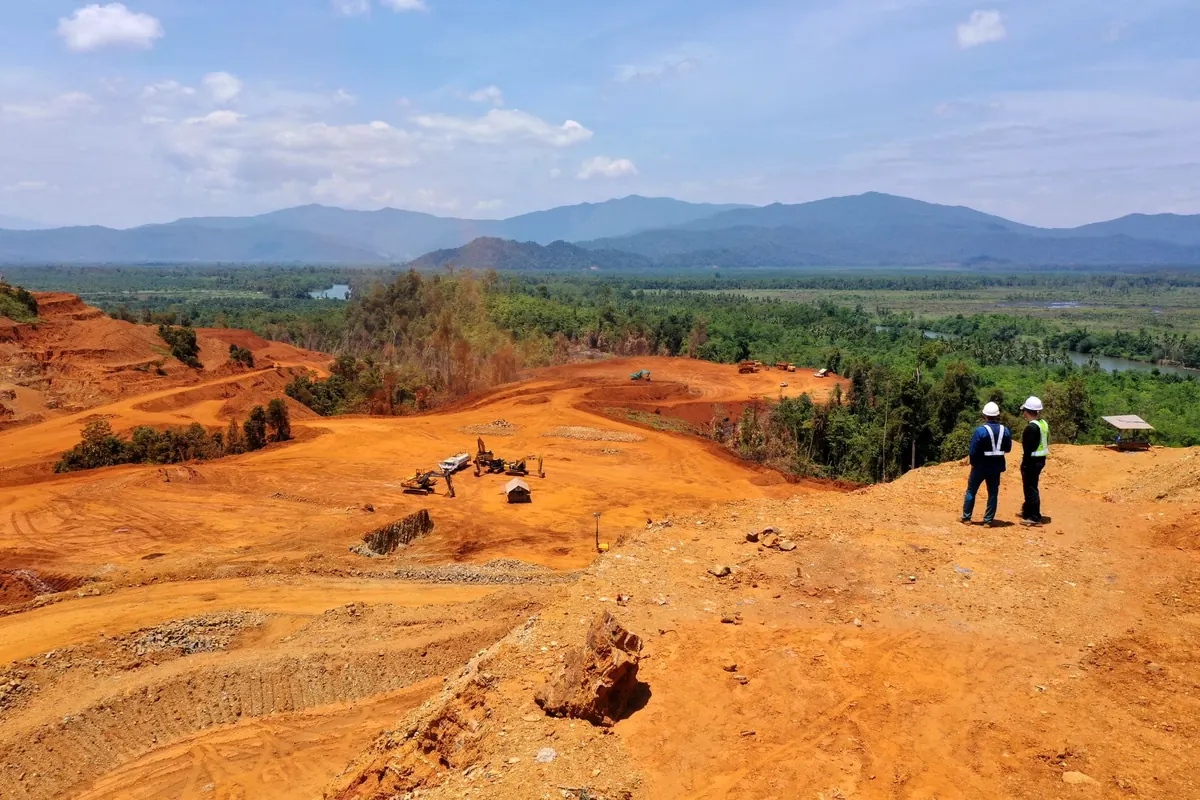
Cobalt is almost never the reason a mine exists. The great majority of it is recovered as a by-product, which shapes everything downstream. In the Central African Copperbelt, cobalt is pulled out alongside copper from large open-pit and underground operations. In Indonesia, Finland, Canada, Australia and the Philippines, it turns up in nickel processing. A smaller share comes from mines where cobalt is the primary target.
Industrial operations
Large mines crush and grind ore, then use flotation to separate cobalt-bearing minerals from waste rock. What comes out is a concentrate — a heavy, dark powder that is far easier and cheaper to ship than raw ore. Some operations go further on site, leaching the concentrate to produce crude cobalt hydroxide or carbonate, which is the form most commonly traded internationally.
Artisanal and small-scale mining
In parts of the Congo, cobalt is also dug by hand, by individuals and small groups working shallow pits with basic tools. This material enters the same flows as industrial output, often through informal aggregators. It is the main reason the industry has developed due diligence frameworks such as the OECD guidance on responsible mineral supply chains and audit programmes run by industry bodies. If you are sourcing cobalt, asking how artisanal material is identified and segregated is not a formality — it is the whole point.
The first upgrade: from ore to an exportable intermediate
Whoever controls the first upgrade controls a lot. Concentrate is bulky and variable; hydroxide is more consistent, more concentrated and easier to sell. Turning one into the other requires leaching, impurity removal and precipitation, plus power, reagents and water — the last two of which are frequently contested in mining regions.
The result is a product described by its cobalt content and its impurity profile. Arsenic, cadmium, manganese and iron levels matter enormously to the buyer, because removing them later is expensive. A cheap hydroxide with a messy assay is often not cheap at all.
Refining: the real chokepoint
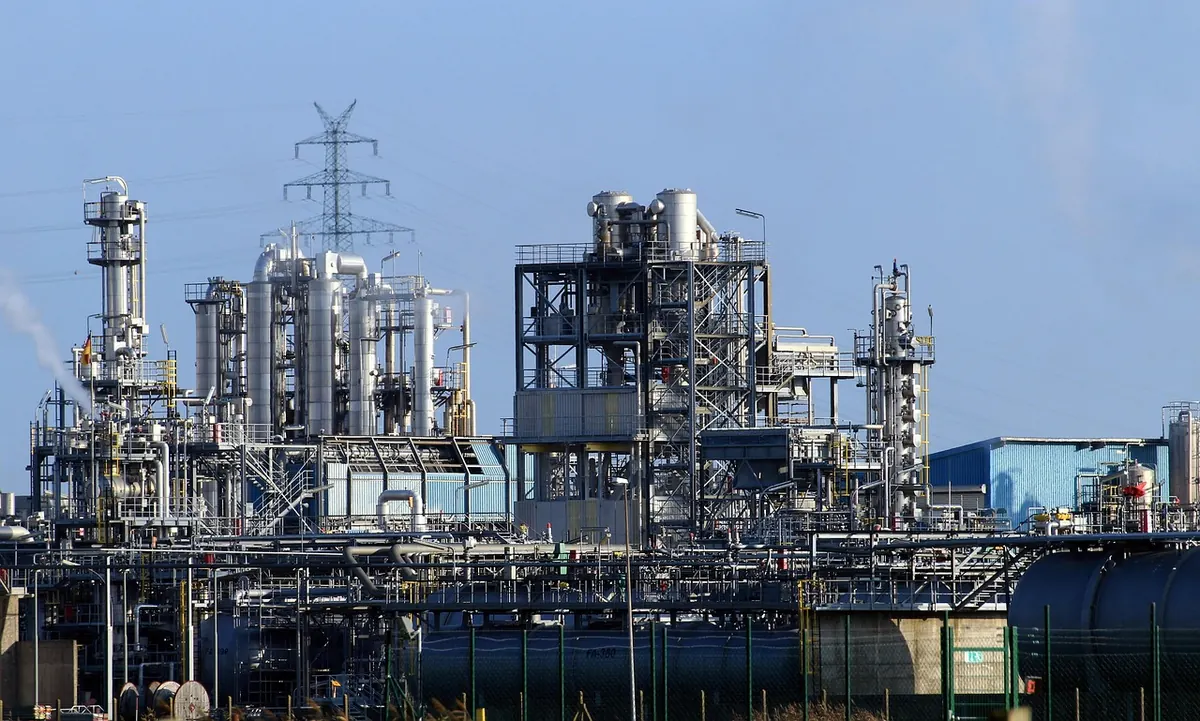
Refining is where most of the world's cobalt is chemically transformed, and it is heavily concentrated in China. Refineries take hydroxide, concentrate or recycled feed and use solvent extraction, ion exchange and electrowinning to produce the specific chemicals buyers need:
- Cobalt sulphate — the battery-grade workhorse, dissolved into cathode precursor solutions.
- Cobalt chloride — used in some precursor routes and catalysts.
- Cobalt oxide — ceramics, pigments, some battery applications.
- Cobalt metal — superalloys, hard metals, magnets, and the form traded on exchanges.
Battery-grade material is not just "pure". It has to be consistent batch to batch, with tightly controlled particle size and trace elements, because a cathode plant cannot easily correct a bad feed. Refining is also where much of the sector's emissions, effluent and tailings exposure sits — and therefore where environmental audits bite hardest.
Trading, pricing and provenance
Cobalt trades in two broadly different ways. Refined metal is a standardised, exchange-tradable product with published prices. Intermediate hydroxide, by contrast, is a negotiated business: miners and refiners agree long-term offtake contracts, with pricing typically expressed as a payable percentage of a published reference price, adjusted for quality. Trading houses sit in the middle, financing inventory and bridging the gap between a mine's production schedule and a refinery's appetite.
Provenance has become as commercially important as chemistry. Serious buyers now expect chain-of-custody documentation, third-party audits and increasingly digital traceability from mine to refiner. The practical test is simple: can your supplier show you where a specific batch came from, and can that claim be verified independently?
Cathode manufacturing: where cobalt does its job
A battery cathode is the positive electrode, and its active material is engineered rather than mined. The usual route runs like this:
- Cobalt sulphate is dissolved with nickel and manganese (or aluminium) salts.
- A co-precipitation reaction produces a precursor powder, often called pCAM.
- The precursor is mixed with lithium hydroxide or lithium carbonate.
- High-temperature calcination forms the layered oxide cathode active material.
- The powder is coated, then slurried with binder and conductive carbon.
- The slurry is coated onto aluminium foil, dried, calendered and slit into electrodes.
Cobalt's contribution is structural. It helps hold the layered crystal structure together through repeated charging and discharging, and it improves thermal stability. That is why chemistries differ so much in cobalt intensity:
- LCO — lithium cobalt oxide, cobalt-heavy, used in consumer electronics.
- NMC — nickel manganese cobalt, available in a range of ratios; higher nickel generally means less cobalt.
- NCA — nickel cobalt aluminium, common in higher-range electric vehicles.
- LFP — lithium iron phosphate, contains no cobalt at all.
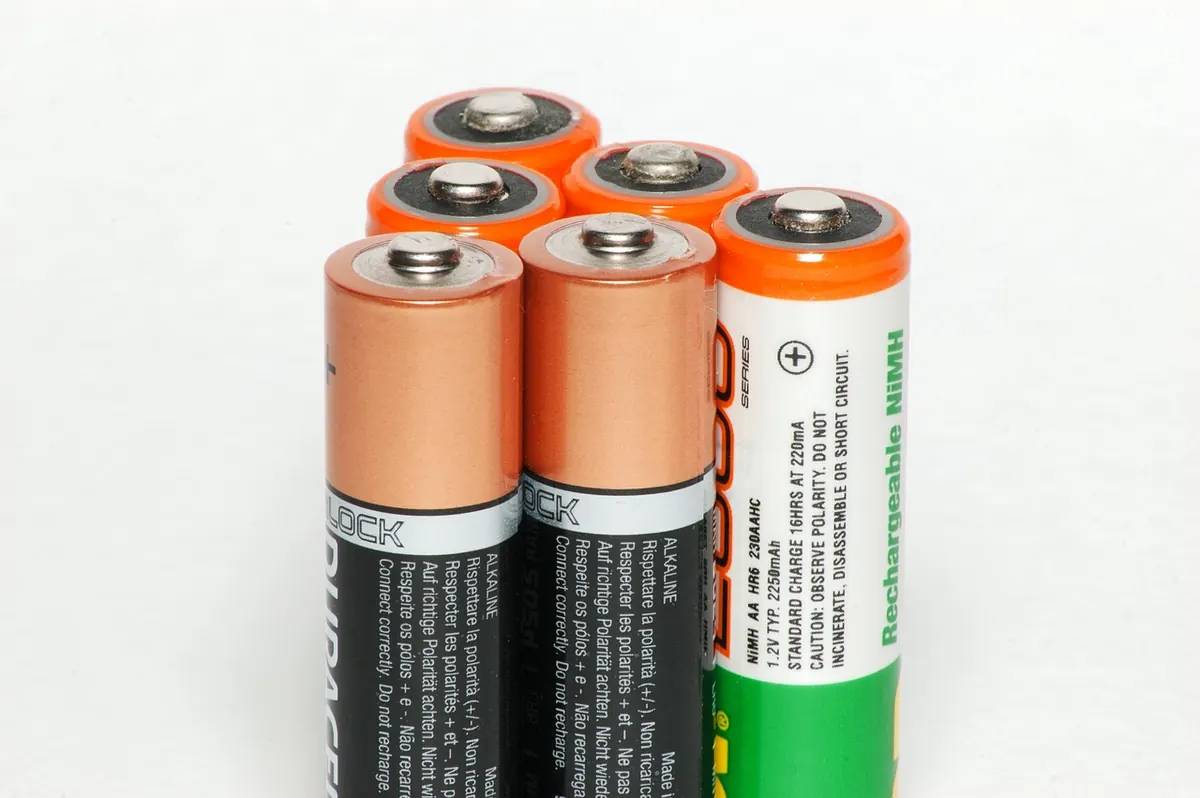
The direction of travel in mass-market batteries has been towards less cobalt per kilowatt-hour, through higher-nickel NMC and through LFP. That reduces exposure to cobalt supply risk, but it does not remove it: performance-critical applications still pay for the stability cobalt provides.
Recycling: closing the loop, slowly
Recycled cobalt is, in principle, the best cobalt — already refined, often already in a battery supply chain, with a documented history. Today most recycling happens at the end of life of manufacturing scrap rather than consumer batteries, because scrap is concentrated, clean and available now. End-of-life collection remains the weak link: batteries must be gathered, discharged, dismantled and shipped before any of that chemistry can be recovered. As volumes of retired packs grow, so does the incentive to fix the logistics.
What to do with this
If you are specifying, sourcing or investing, work backwards from the cathode. Know which chemistry you are exposed to, how much cobalt it actually contains, and which refinery your material passes through. Ask for assays, not assurances. Check whether your supplier's due diligence covers artisanal feed and whether it is audited rather than self-declared. And keep an eye on the two stages that concentrate risk: refining, where geography and processing capacity decide who has leverage, and precursor production, where specifications are set and substitutions are decided.
The chain is long, but it is not opaque. Most of the difficulty comes from skipping a link.
Photo: 127071 / Pixabay